
08 Sep 2025
The Difference Between Stocks, Shares, ETFs & Mutual Funds

It’s easy to feel stuck when trying to build your wealth, as a lot of the time, the factors that lead to this seem out of your control, such as a constantly rising cost of living, poor job opportunities, or wage stagnation.
In this blog, we will explore top tips from industry experts on the best and most efficient methods for achieving wealth and investing on low income, helping you and your family save money effectively.
So, how do you build wealth with a low to moderate income? The best way to build wealth on an average income is to make your money work for you.
Building wealth with an average salary is all about being smart with your salary. From budgeting tips to rules for saving, you will find all the answers you need in this blog. To start with, let’s look into the first places to begin your money-saving journey:
Sounds simple? Don’t worry, keep reading our comprehensive guide to learn our top tips and recommended methods for building your wealth.
A household’s relative income isn’t necessarily a numerical value. The term low income generally covers households earning below 60% of the median household income; this number can fluctuate alongside the economic rate.
Often, your income isn’t determined by factors such as your work ethic or commitment, so don’t let it define you. Current wages in the UK are extremely stagnant and therefore can’t provide individuals with the deserved opportunity or growth.
Since 2008, there has been a notable stagnation in wages across the UK. There has only been a marginal rise alongside inflation since then, and the BBC stated that, if the crash had never happened, the average worker would make £11,000 more per year than they do now, taking rising prices into account.
The number of unemployed UK citizens is increasing; however, job vacancies are decreasing. This is making the current job climate hard to thrive in due to the increased competition.
However, there are ways that you can make your income go far and increase your wealth. Saving and investing any disposable income wisely is a great way to start.
In this section, we will discuss some of the generally recommended rules to building savings on a low income, and how to best plan your savings goals to utilise them.
Depending on where you are in life, you may have different goals in mind. Are you saving for your first house? Or perhaps for a new car? Or even just saving up to go on a dream trip abroad.
Each of these goals has a different timeframe, and they therefore require different approaches. Make sure your savings plan is aligned with the correct goal and outcome, as these can differ drastically.
For example, if you have a short-term goal in mind, such as a holiday, but you are also saving to buy a property, ensure your priorities are correct.
As you would need the holiday money sooner and it therefore has more urgency, an easy access, low risk account is beneficial to hold those funds. Whereas for property, this is a longer-term investment, of which the fund has one long-term purpose. Utilising specific bank accounts, such as a Lifetime ISA, is recommended. These accounts offer bonuses based on the amount contributed, as long as the sum goes towards a property in the end.
When that paycheck comes in each month, stop and think before you split it up between your savings. Allocate timeframes for those amounts that must be saved by, and prioritise these based on urgency.
Certain financial accounts have great bonuses for specific goals; however, they have maximum deposit amounts – take advantage of these.
Lifetime ISAs are investment accounts mainly for those looking to purchase property. The government gives the contributor 25% of their contribution per month, capping at £1000.
Many people take advantage of these accounts because the contribution total is capped at £4000pa (£5000pa inc Government Bonus). They are great accounts to have running in the background as a secondary savings pot if you have that specific goal.
Bonus savings accounts reward you for doing nothing. Making withdrawals is tempting, and there are certain accounts out there to help you stop. Bonus savings accounts give you a bonus interest rate every month you don’t touch your savings.
There is generally no maximum limit on these accounts, and they allow access to the funds whenever you need them.
This makes bonus savings accounts highly beneficial to those with longer-term goals, who have the discipline to avoid temptation.
As a general rule for saving money, being in debt already puts you behind in saving, but don’t let this hinder your motivation! It’s best to start saving with a blank slate, so try to take care of any debts first.
Utilising tools that allow you to consolidate your debt is a great way to stay on top of things. This, along with automated repayment plans, can help those with an average wage chip away at the amounts in a way that is maintainable and SMART…
Using SMART targets is a great way to build savings on low income and to keep your targets optimal for your circumstances. To do this, ensure your savings goals are:
Income isn’t the only factor affecting wealth. Although people assume it to be the determining factor of whether wealth is a possibility or not, it most commonly comes down to attitude.
So, what are some other factors that might affect savings?
In middle age, essential expenses and financial responsibilities such as supporting a family tend to increase, making it harder to save. On the other hand, in your early twenties, you may have fewer financial obligations, which can make it easier to set aside more each month.
As said previously, a great place to start your journey towards investing on low income is creating a budget that can be adapted to any salary. There are several methods to help you with this, which you can find below:
Use easy-to-follow plans such as the 50/30/20 plan to ensure your goals stay SMART.
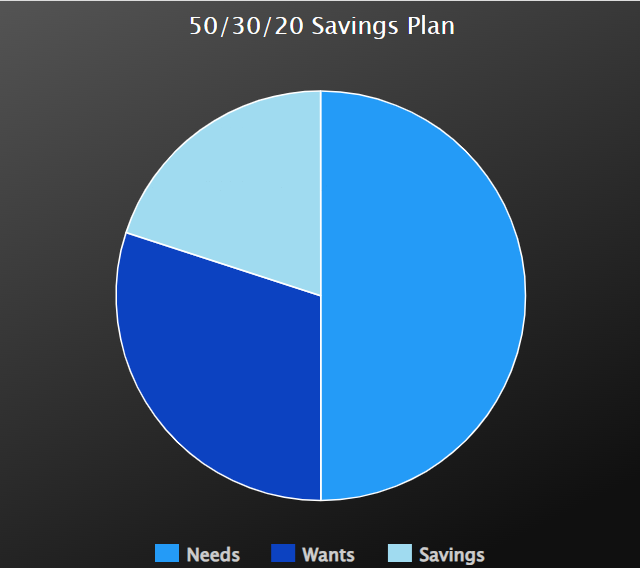
The 50/30/20 method is simple enough to become second nature. Take on the mentality of this rule and stick to it, and you will see a drastic difference in your savings.
What might be working well for a friend may not work for you! Everyone’s savings journey is different, and everybody has a different income to start off with. Be sure to budget for what’s best for you.
There are many tools out there to help you on the road to wealth, from physical financial journals that can be found on sites like Papier, to online budgeting apps such as PocketGuard.
These days, there are so many resources out there to keep you informed in the financial world.
STARTrading’s trading mentorship programme provides the education needed to save and invest effectively. We help our mentees achieve their life goals and use trading as the vehicle to make that happen. Whatever your goals and ambitions, we can help get you there.
It is easy to feel overwhelmed with all of the banking options out there; however, keeping your investment goals in mind can help you find the best one for you and your salary. Things to look out for when choosing the right accounts include the following:
There are many different types of helpful bank accounts available to assist you in wealth generation. Find a few of our recommendations below:
As saving for wealth is generally a longer-term goal, interest rates are important. If you want to use a regular savings account, be sure to check that the interest rate is optimal. These accounts usually also have easy accessibility to your money, and are therefore beneficial if your investment timeframe is 1-3 years.
Methods such as investing in cryptocurrency or certain stocks can be too volatile. There is no financial protection for these investment strategies, and therefore, they are only recommended for experienced investors.
When investing with STARTrading, you can receive trading courses which are specifically for beginners, led by industry experts. We have developed a safe, profitable method to take you from a complete beginner to trading successfully, using just 30 minutes a day.
Using mentorship programmes like the one offered at STARTrading, you can gain the experience required to trade and invest effectively.
Comparison websites are a great starting point when looking for the best savings account for your individual needs.
Be sure to research features you need from a savings account before opening one, such as bonus options, low or no account fees, easy management, etc.
Your savings don’t need to be kept entirely in the same place! Utilising options such as certain ISAs, which have a deposit limit, such as £20,000 per year, whilst also investing in a high-interest account, can speed up the process of accumulating your wealth. You can get the best of both worlds!
Remember! All investments are a risk and do not guarantee a return. Be sure to conduct research prior to investing.
A new insight from HSBC has found that an annual income of £213,000 is considered wealthy in the UK as of 2025.
Rewriting your brain to have a more positive attitude about money means shifting from an attitude of scarcity to one of abundance. There are lots of tricks you can use to start investing on low income, including challenging your beliefs, practising gratitude and visualising success. Read our helpful blog on how to get a positive money mindset to find out more.
Author: Lewis Crompton